How to Choose the Right DTH Bit Size for Water Well Drilling
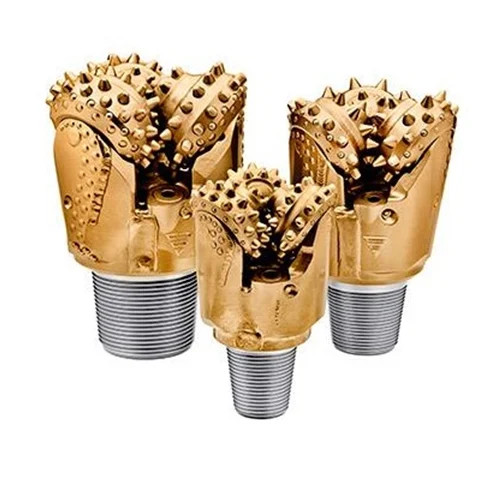
One of the most common questions we receive from drilling contractors across Africa and the Middle East:
"Which size DTH bit should I use for my water well project?"
Get it right and your borehole is straight, productive, and properly cased. Get it wrong and you are either under-sizing your yield or over-spending on a hole bigger than the pump requires.
This guide explains the decision clearly.
Why Bit Size Matters
The DTH bit size determines: <ol> <li><strong>Borehole diameter</strong> — the finished hole size drilled into the formation</li> <li><strong>Casing size</strong> — the UPVC or steel casing that fits inside the borehole</li> <li><strong>Pump size</strong> — the submersible pump that fits inside the casing</li> <li><strong>Well yield</strong> — larger diameter casing allows higher-capacity pumps</li> </ol>
Everything flows from the bit size. Choose the bit based on what yield you need and what pump you are installing — not the other way around.
The Basic Rule: Bit Diameter vs Casing Diameter
DTH bits drill an oversized hole relative to the casing. The casing must fit inside the borehole with enough annular space for gravel packing and cement sealing.
Standard relationships:
| DTH Bit Size | Finished Borehole | Recommended Casing | Pump Bore |
|---|---|---|---|
| 5.5" (140mm) | ~138mm | 4" (100mm) UPVC | 3.5" pump |
| 6" (152mm) | ~150mm | 4" (100mm) UPVC | 4" pump |
| 6.5" (165mm) | ~163mm | 5" (125mm) UPVC | 4" pump |
| 7" (178mm) | ~175mm | 6" (150mm) UPVC | 5" pump |
| 8" (203mm) | ~200mm | 6" (150mm) UPVC with room | 5"–6" pump |
| 9" (228mm) | ~225mm | 8" (200mm) UPVC | 6" pump |
| 10" (254mm) | ~250mm | 8" (200mm) UPVC | 8" pump |
| 12" (305mm) | ~300mm | 10" (250mm) UPVC | 8"–10" pump |
Choosing by End Use
Single Household / Domestic (1–5 people)
- Bit size: 5.5" or 6"
- Casing: 4" UPVC
- Pump: 3.5" or 4" submersible, 0.5–1.5kW
- Expected yield: 1–5 m³/hour
- Typical depth: 40–120m
This is the most common residential borehole across Nigeria, Kenya, Ghana, and East Africa. The 6" bit is standard because 4" UPVC is widely available at low cost.
Community Borehole (100–500 people)
- Bit size: 6.5" or 7"
- Casing: 5" or 6" UPVC
- Pump: 5" submersible, 2–5kW
- Expected yield: 5–20 m³/hour
- Typical depth: 60–200m
This is the standard specification for UNICEF, World Bank, and NGO-funded community boreholes across sub-Saharan Africa. If you are bidding on donor-funded projects, 7" bit / 6" casing is the most commonly specified configuration.
School, Hospital, or Institutional (500–2,000 people)
- Bit size: 7" or 8"
- Casing: 6" or 8" UPVC / steel
- Pump: 6" submersible, 3–7.5kW
- Expected yield: 15–40 m³/hour
- Typical depth: 80–300m
Agro-Industrial / Farm (irrigation, processing)
- Bit size: 8" to 10"
- Casing: 8" UPVC or steel
- Pump: 8" submersible or turbine, 7.5–22kW
- Expected yield: 30–100 m³/hour
- Typical depth: 100–400m
Municipal / Town Supply
- Bit size: 10" to 14"
- Casing: 10"–12" steel
- Pump: 10" turbine or vertical line shaft
- Expected yield: 100–500 m³/hour
- Typical depth: 100–600m
Bit Size by Country: Common Standards
Specifications vary by country due to local availability of casings and pumps:
Nigeria: 6" bit (4" casing) for residential; 7"–8" for community. 6.5" gaining popularity with NGO projects specifying 5" UPVC.
Kenya: 6" or 6.5" for domestic; 7" for community/institutional. 8" increasingly specified by county government projects.
Ghana: 6" standard for most GWCL-adjacent projects. Donor-funded tend toward 7".
Tanzania / Uganda: Largely 6"–7" for rural community wells. Urban and irrigation projects going to 8" and above.
UAE / GCC: 8"–12" standard for higher-yield requirements in commercial/industrial applications.
Don't Forget: Bit Size vs Hammer Size
The bit is attached to the DTH hammer. Hammer size must match bit size:
| Hammer Size | Compatible Bit Range |
|---|---|
| 4" Hammer | 4.5" – 5.5" bits |
| 5" Hammer | 5.5" – 6.5" bits |
| 6" Hammer | 6" – 7.5" bits |
| 8" Hammer | 8" – 9.5" bits |
| 10" Hammer | 10" – 12" bits |
| 12" Hammer | 12" – 14" bits |
You cannot use an 8" bit on a 5" hammer. Always order the hammer and bits as matched sets.
Practical Rule of Thumb
"Drill one bit size larger than the casing you intend to install."
If you want 6" UPVC casing in the ground, drill with a 7" DTH bit. This gives ~25mm annular clearance for gravel pack and centralization.
If you are drilling a pilot hole before enlarging (reaming), use the final enlarged diameter for your casing selection — not the pilot hole size.
Get Help Selecting the Right Size
Still not sure? Send us: <ul> <li>Your end use (domestic / community / institutional / agricultural / municipal)</li> <li>Your target depth</li> <li>Formation type if known</li> <li>Country and region</li> </ul>
Our technical team will recommend the right bit size, hammer, and casing specification — at no charge.
→ Contact Our Technical Team → Browse DTH Bits in Stock → Drilling Equipment for Nigeria → Drilling Equipment for Kenya
Zero rig downtime starts with parts already on the shelf.
Not sure of your exact hammer or bit spec? Send a photo on WhatsApp — we verify shank, thread and diameter against Abu Dhabi stock and send part numbers + landed price to your port within 4 working hours. Free, no obligation. Backed by a 90-day replacement guarantee and 48–72h air dispatch.