How to Choose a Reliable DTH Drilling Equipment Supplier in Africa
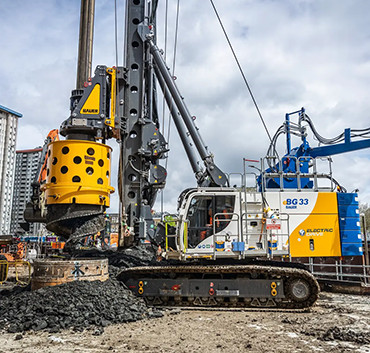
You have a drilling project. You need DTH hammers, bits, and maybe a full water well package. You search online, find several suppliers — some in China, some in Europe, one in UAE — and the prices vary by 40%.
How do you choose?
The wrong choice costs you more than the saving on the purchase price. Here are the 7 things experienced African drilling contractors check before committing to a DTH equipment supplier.
1. Do They Actually Stock in the Region?
The single biggest frustration for African drilling contractors is lead time. A factory in China may offer the lowest price, but a 6–10 week production-to-delivery cycle can kill a project when your rig is idle.
What to check: <ul> <li>Does the supplier hold stock, or do they manufacture to order?</li> <li>Where is the stock located? (UAE, Singapore, and Europe have very different lead times to East/West Africa)</li> <li>Can they quote from existing inventory for immediate dispatch?</li> </ul>
A UAE-based supplier with warehouse stock can typically put equipment on a flight to Nairobi or Lagos within 24–48 hours of order confirmation. That is a meaningful operational advantage on time-sensitive projects.
2. Do They Understand the Equipment They Are Selling?
Many trading companies in the region sell DTH equipment the same way they sell stationery — from a catalogue, with no technical knowledge. This becomes a problem when: <ul> <li>You describe your formation and need bit grade advice</li> <li>A hammer fails and you need to diagnose the cause</li> <li>You are designing a system for a formation you have not drilled before</li> </ul>
What to check: <ul> <li>Ask a technical question: "What DTH bit grade do you recommend for drilling in granite basement in northern Nigeria?"</li> <li>A knowledgeable supplier will ask about the rock strength, abrasiveness, depth, and compressor pressure before answering</li> <li>A catalogue supplier will give you a generic answer or no answer at all</li> </ul>
3. Are Their Products Traceable and Certified?
Counterfeit and substandard drilling tools are a real problem in the African and Middle Eastern markets. A DTH hammer with a fake brand stamp that fails underground can jam a drill string and cost tens of thousands of dollars in fishing operations.
What to check: <ul> <li>Can the supplier provide manufacturer certificates and test reports?</li> <li>Do they hold ISO 9001:2015 certification (or equivalent)?</li> <li>Are products branded with full manufacturer details — batch numbers, grade markings, country of origin?</li> <li>Will they provide a COO (Certificate of Origin) and packing list for customs clearance?</li> </ul>
These documents are also required for donor-funded projects (UNICEF, World Bank, NGOs). Suppliers who cannot produce them are not suitable for these procurement channels.
4. What Is Their Pricing Structure — And What Does It Mean?
Price transparency matters. Some suppliers quote a very low unit price and then charge heavily for shipping, documentation, and "handling." Others offer tiered pricing that reflects genuine quality differences.
What to look for: <ul> <li>Does the quote include shipping, insurance, and documentation, or are these add-ons?</li> <li>Is there a standard / premium / OEM tier? Or is it one price for everything?</li> <li>Are volume discounts available for regular procurement?</li> </ul>
Be cautious of suppliers with a single rock-bottom price. Quality DTH hammers have real manufacturing costs — tungsten carbide buttons, hardened steel bodies, precision valves. A hammer priced at 50% of market is almost certainly not of comparable quality.
5. Do They Have Logistics Experience in Your Country?
Clearing drilling equipment through African ports and airports requires specific documentation and often country-specific knowledge. A supplier who has never shipped to Nigeria will not know about: <ul> <li>NAFDAC exemptions for industrial equipment</li> <li>Port clearance procedures at Apapa</li> <li>The SON (Standards Organisation of Nigeria) conformity assessment requirements</li> </ul>
A supplier who ships regularly to Kenya will know: <ul> <li>KRA import classification codes for drilling tools</li> <li>Required documentation for KEBS inspection</li> <li>Inland forwarding from Mombasa to Nairobi</li> </ul>
Ask your prospective supplier how many shipments they have made to your country in the past 12 months.
6. What Happens When Something Goes Wrong?
Equipment fails. It is rare with quality products, but it happens. Bit buttons fracture. Hammer valves wear out. Drill pipe threads gall.
What to check: <ul> <li>Is there a warranty on DTH hammers and bits? What does it cover?</li> <li>Can they supply spare parts (valves, check valves, back heads, wear sleeves)?</li> <li>How quickly can they respond to a warranty claim?</li> <li>Is there a technical support channel (WhatsApp, email, phone) for on-site troubleshooting?</li> </ul>
The value of a supplier relationship shows most clearly when something goes wrong. A supplier who disappears after invoicing is not a supplier — they are a one-time vendor.
7. Can They Scale With Your Business?
Drilling businesses grow. If you are a contractor doing 10 boreholes a month today, you may be doing 50 a month in two years. Your supplier needs to be able to scale with you.
What to check: <ul> <li>Can they supply larger quantities on regular purchase orders?</li> <li>Can they provide consignment stock or reserved inventory?</li> <li>Are they open to establishing a formal supply agreement?</li> </ul>
Building a long-term relationship with one reliable supplier is operationally superior to chasing the cheapest quote every time. Consistent product quality means consistent penetration rates — which means more predictable project timelines and costs.
Global Edge: What We Offer
We built Global Edge around these seven principles because we know what matters to drilling contractors in Africa and the Middle East.
- Stocked in Abu Dhabi — available for immediate dispatch
- Technical team with drilling expertise — not just sales staff
- ISO 9001:2015 certified — full traceability and documentation
- Transparent tiered pricing — Standard, OEM Premium, Custom
- Africa logistics experience — Nigeria, Kenya, Ghana, Tanzania, UAE, and more
- Warranty and spare parts available — we stand behind what we sell
- Growing with our clients — consignment, volume pricing, and formal agreements available
→ Browse Our DTH Products → Request a Quote → Drilling Equipment for Nigeria → Drilling Equipment for Kenya
Zero rig downtime starts with parts already on the shelf.
Not sure of your exact hammer or bit spec? Send a photo on WhatsApp — we verify shank, thread and diameter against Abu Dhabi stock and send part numbers + landed price to your port within 4 working hours. Free, no obligation. Backed by a 90-day replacement guarantee and 48–72h air dispatch.